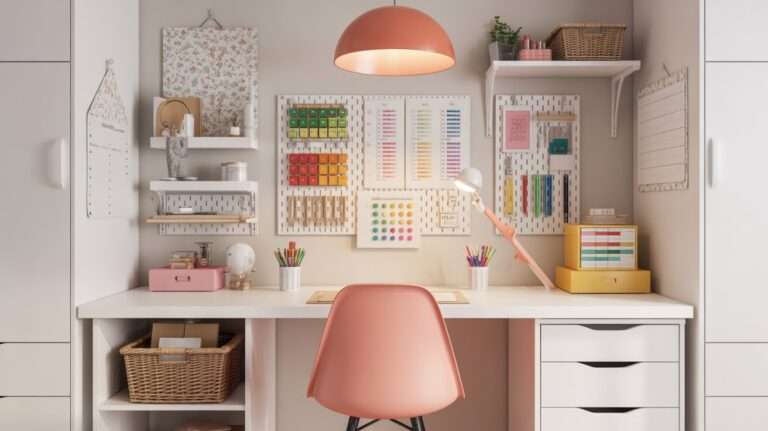
I need to share something, i have ADHD, and for me, organization isn’t a preference — it’s a requirement. If your craft room never stays organized, the problem usually isn’t storage — it’s the system. Sewing supplies come in different shapes, sizes, and frequencies of use, and organizing them all the same way never works for long.
When my craft room is cluttered, my brain shuts down. Ideas don’t flow. Projects feel overwhelming before I even start. Over time, I realized something important: my creativity depends on structure. Not perfection. Structure.
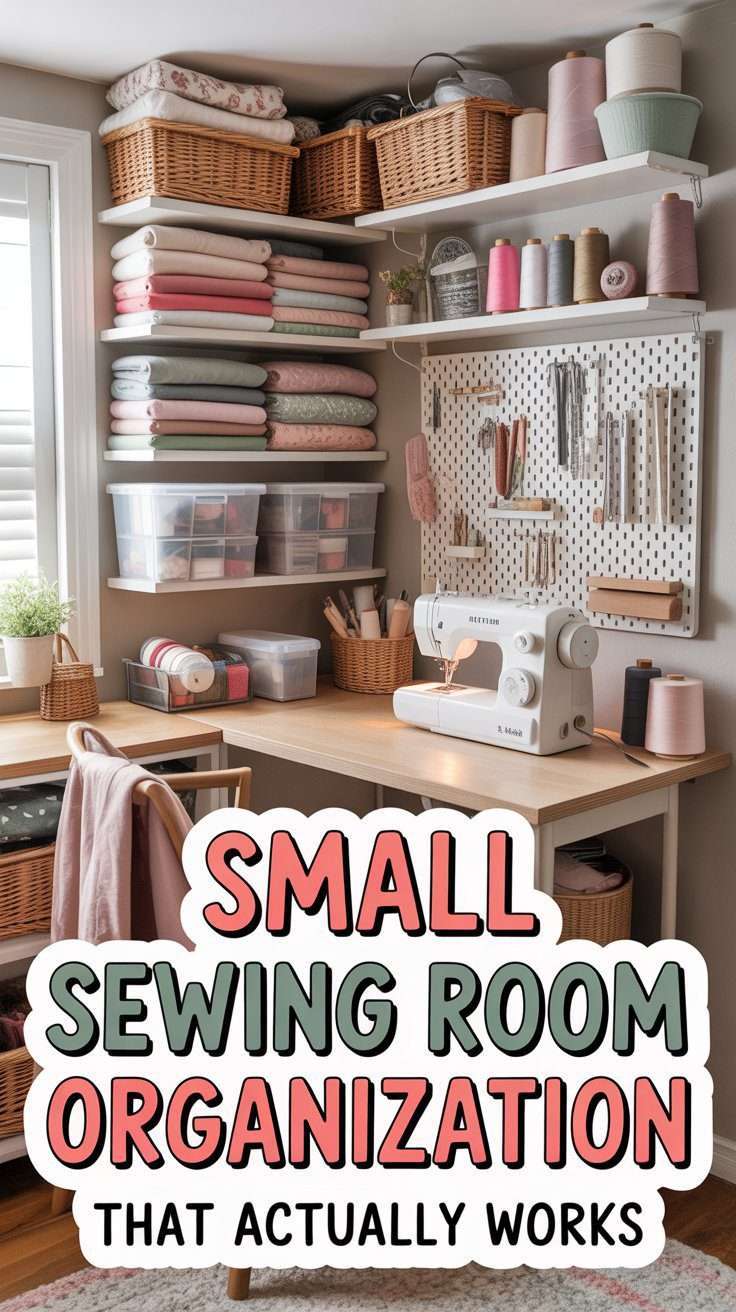
This post isn’t about picture-perfect shelves or unrealistic setups. It’s about craft room organization ideas that help me stay focused, reduce mental overload, and actually create.
Why Craft Room Organization Matters (Especially for ADHD Brains)
ADHD affects how my brain processes visual information. Too many objects, too many choices, or too much visual noise makes it harder to focus. When my space feels chaotic, my mind feels chaotic too.
A well-organized craft room:
- reduces decision fatigue
- limits visual clutter
- removes unnecessary friction
- creates mental space for ideas
For me, organization isn’t about control. It’s about freedom.
1. Organize Sewing Supplies by Frequency of Use
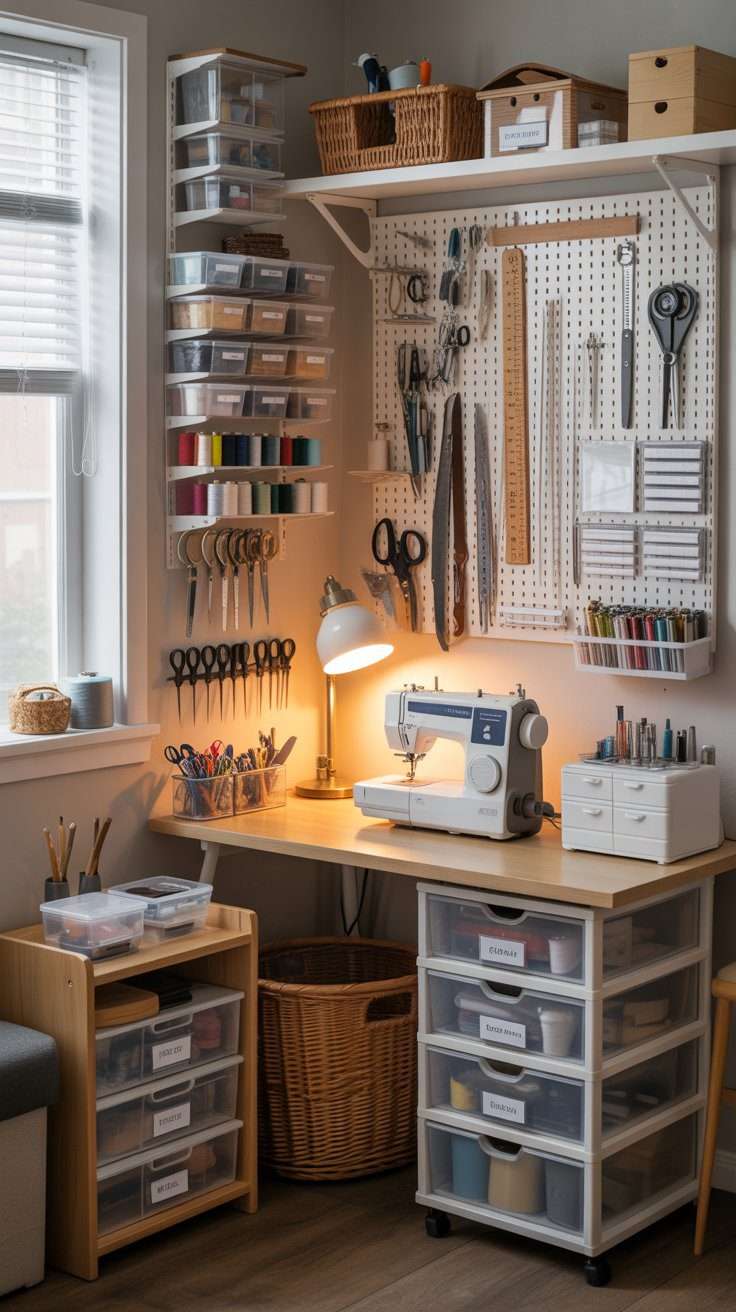
Not everything needs to be within reach.
Why this works:
When the tools I use daily are buried, I lose momentum before I even begin.
How I organize:
- Daily tools (scissors, rotary cutter, thread, pins) stay within arm’s reach
- Weekly tools go in nearby drawers or shelves
- Rarely used supplies are stored higher or farther away
This single system immediately reduces overwhelm.
Helpful tools for organizing daily sewing supplies:
- clear containers for small notions
- pegboard set for daily tools
- thread rack for visible storage
- rolling cart for overflow supplies
- desktop organizer for scissors and pens
- label maker for simple categories
- stackable bins for extra materials
- Comic boards for fabric storage
2. Clear Containers Reduce Mental Overload
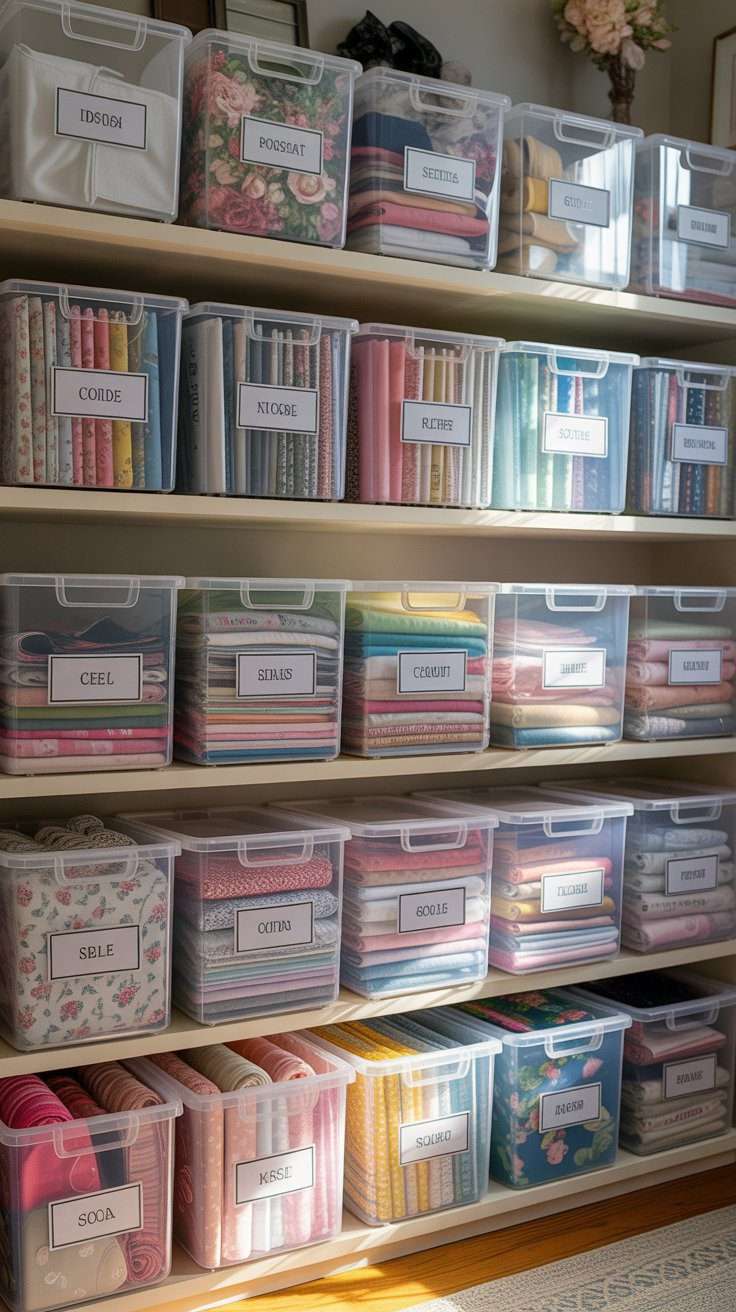
Hidden clutter is still clutter — my brain knows it’s there.
Why this works:
Clear containers let me see what I own, which reduces anxiety and prevents buying duplicates.
Best items for clear storage:
- bobbins
- buttons
- needles
- snaps
- labels
Seeing my supplies calms my mind.
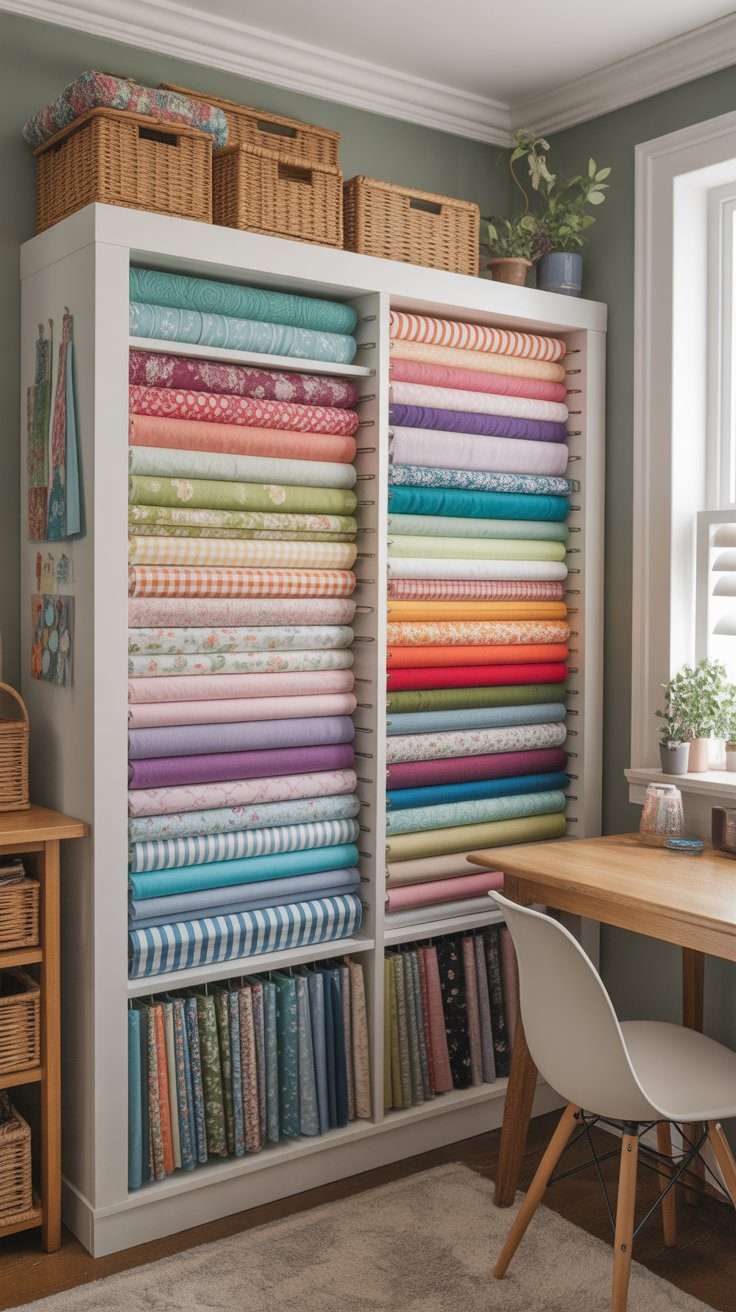
3. Fabric Organization With Comic Boards
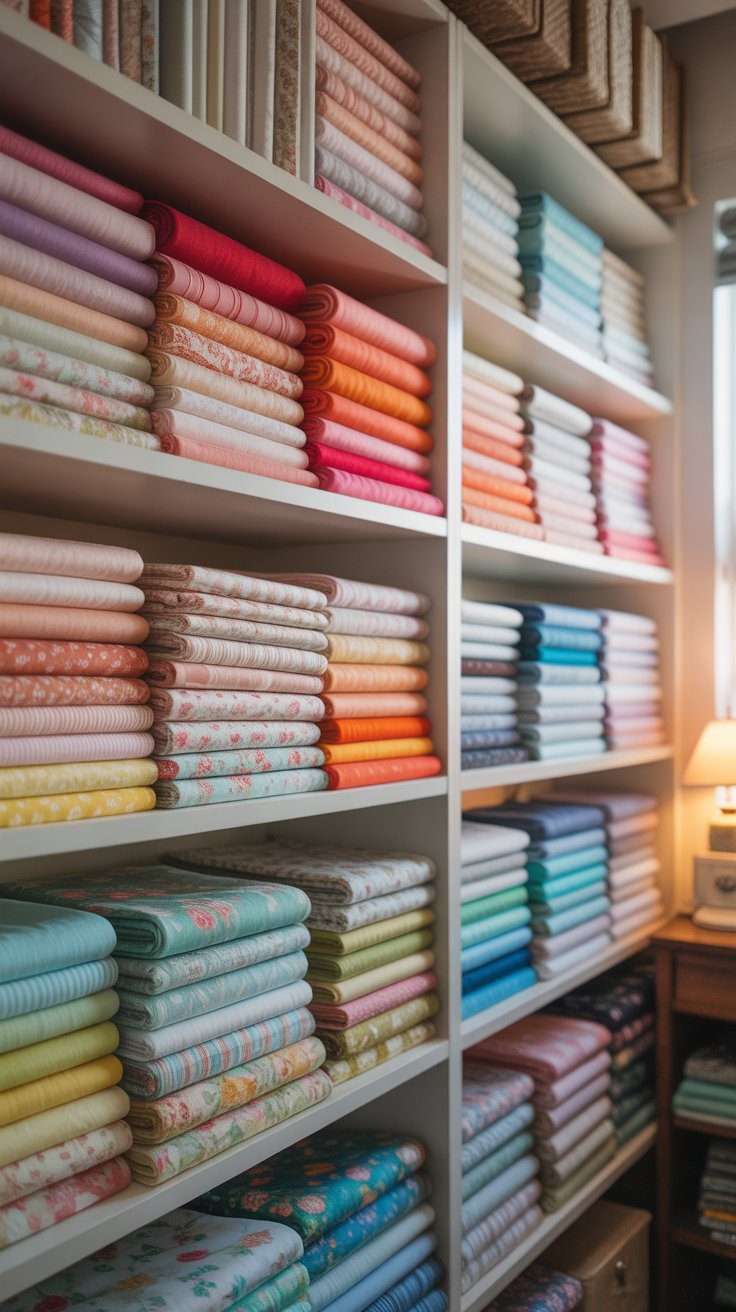
Fabric piles are creativity killers. Comic boards are one of the easiest ways to make fabric shelves look instantly neater. They help keep fabric folded to a similar size, make stacks easier to browse, and stop piles from falling over every time you pull one piece out. If your fabric shelf always looks messy no matter how often you refold it, using comic boards can make a big difference.
Helpful product: Comic boards for fabric storage
Why this works:
Vertical fabric storage on Comic Boards creates instant clarity and makes decision-making easier.
4. Scrap Fabric Organization (Without Keeping Everything)
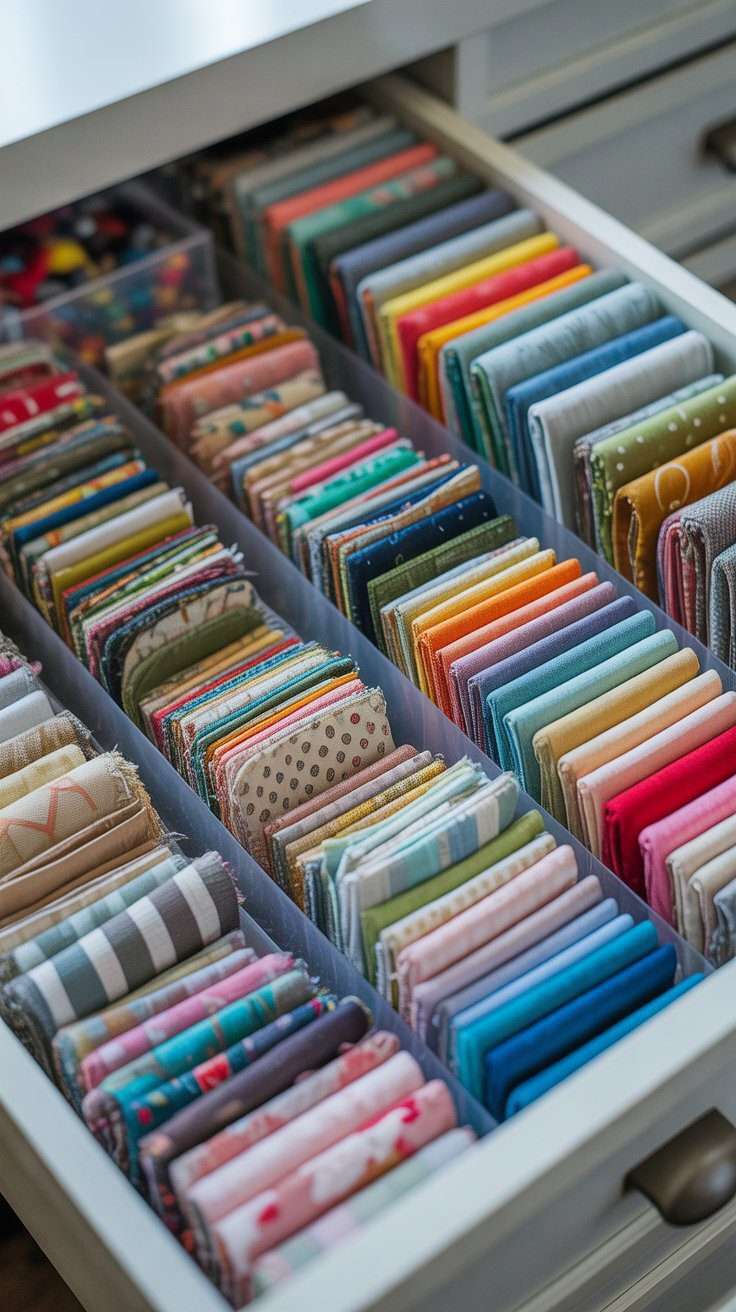
Scraps are inspiring — until they become overwhelming.
Why this matters:
Uncontrolled scraps create guilt and creative paralysis.
My realistic scrap system:
- sort scraps by size (small / medium / large)
- or by fabric type
- limit how much I keep
Organization also means knowing when to let go.
5. Pegboards Keep Daily Tools Visible and Contained
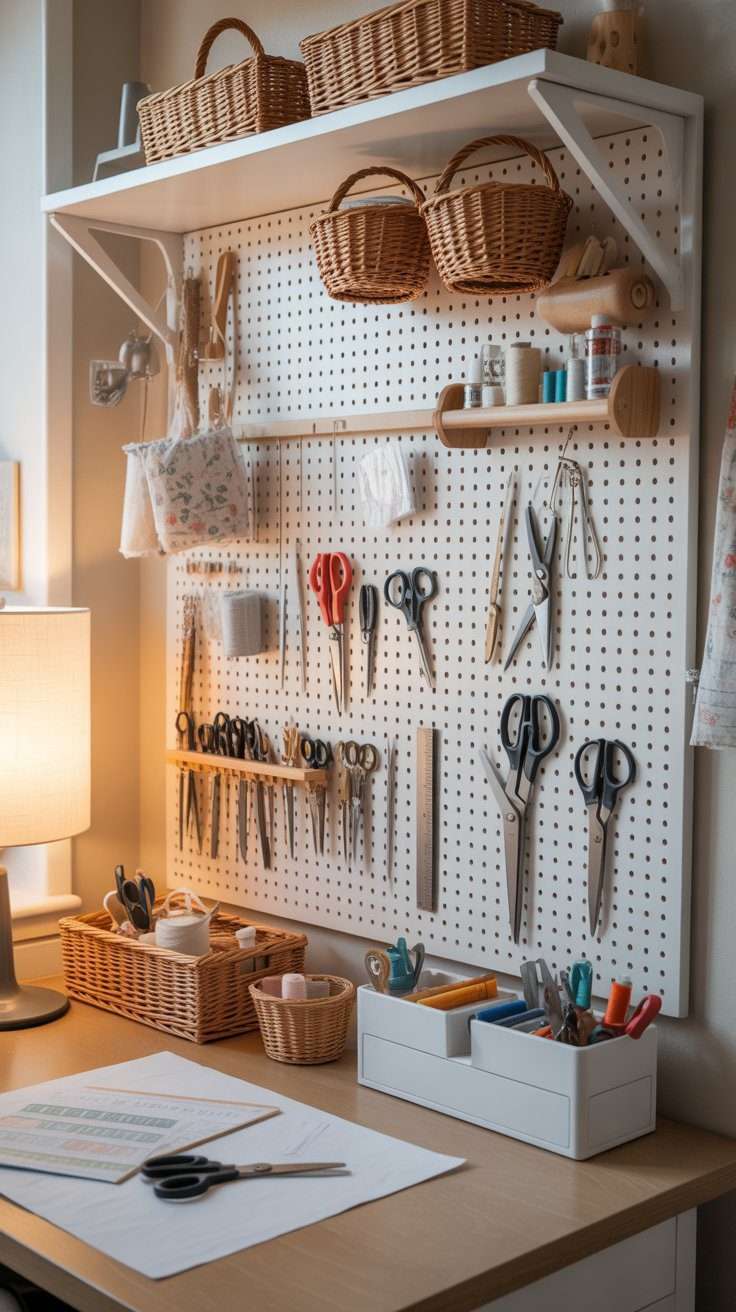
Walls are powerful in craft rooms.
Why this works:
Tools that are easy to put back are more likely to stay organized.
What I keep on pegboards:
- scissors
- rotary cutters
- rulers
- small baskets for current tools
Visibility creates consistency.
6. Separate Storage From Projects-in-Progress
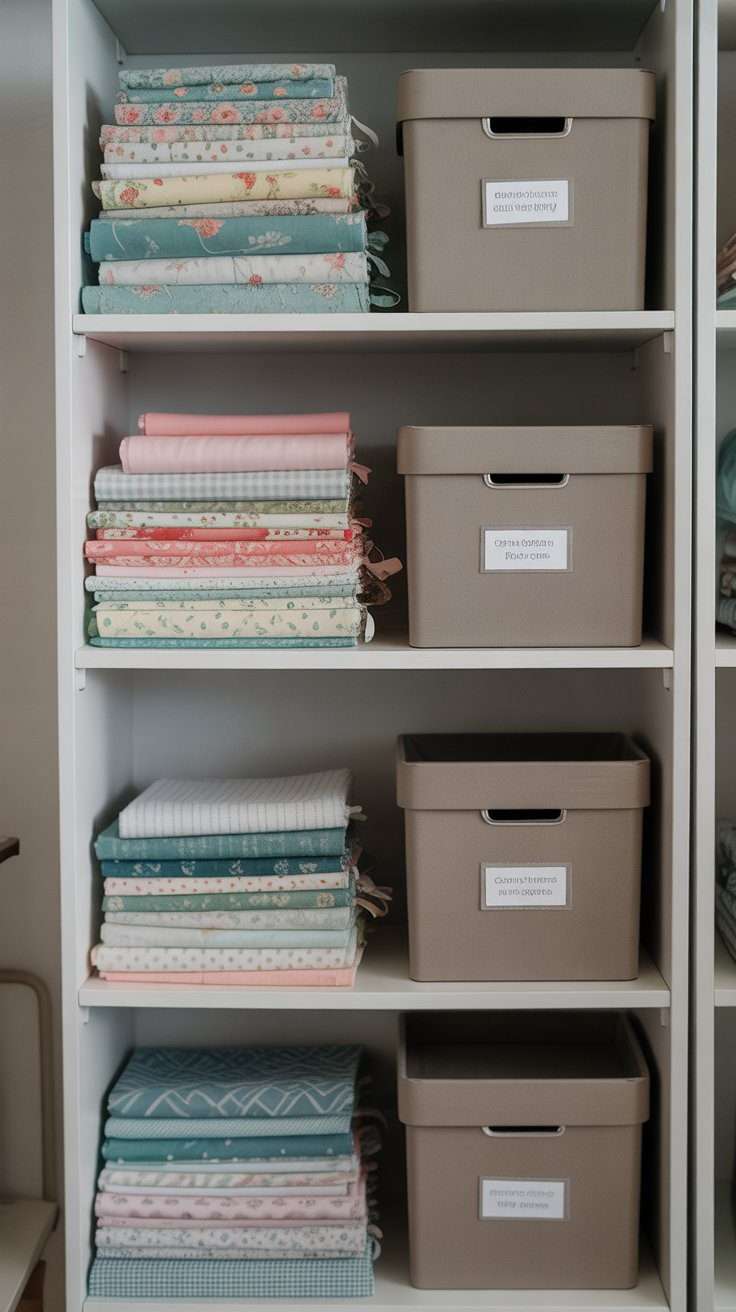
This is where many craft rooms fail.
Why this matters:
Mixing supplies with active projects creates constant visual pressure.
Simple rule I follow:
- one bin or bag per project
- projects leave my desk when I stop for the day
My workspace needs to feel neutral — not demanding.
7. Category-Based Organization Calms My Brain
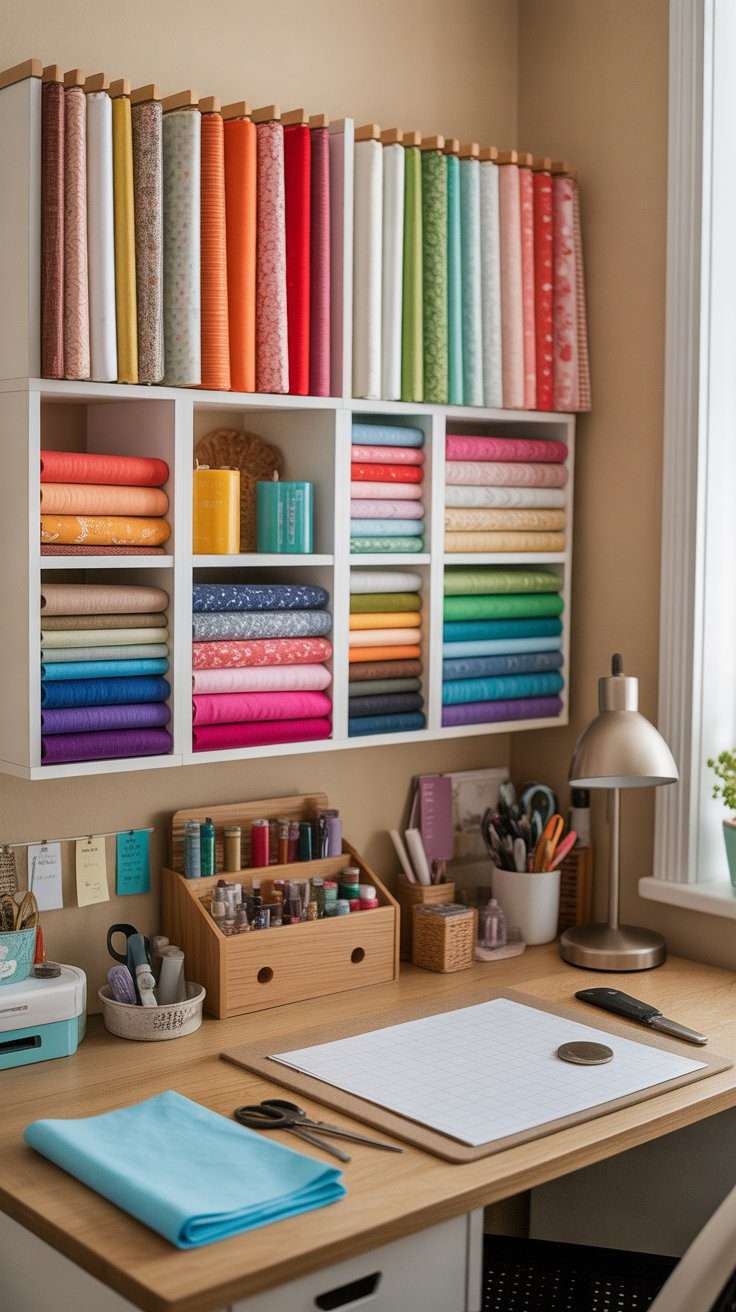
Random storage creates random stress.
Why this works:
My brain relaxes when everything has a clear “home.”
Core categories I keep separate:
- fabric
- scraps
- cutting tools
- notions
- patterns
It doesn’t need to be perfect. It needs to make sense.
8. Rolling Carts Create Flexibility on Low-Energy Days
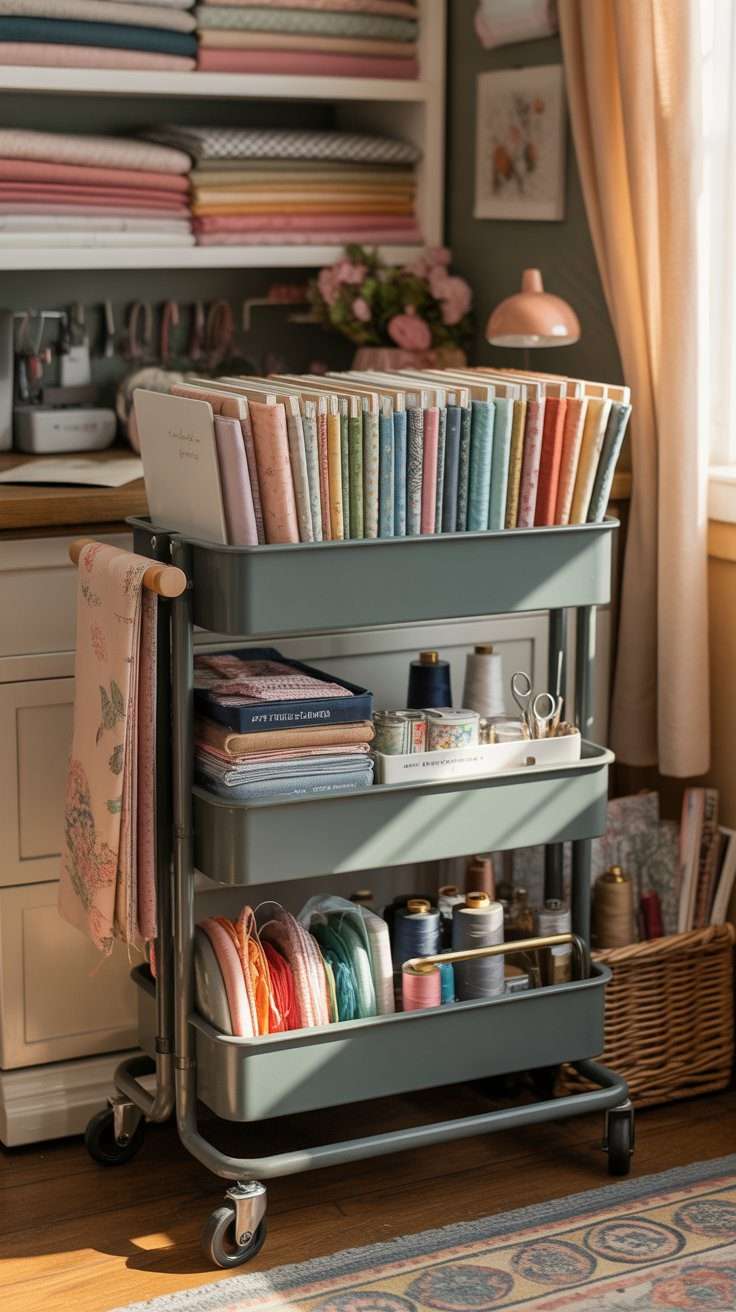
Some days I need everything close. Some days I don’t.
Why this works:
Rolling carts adapt to my energy level and workflow.
Perfect for:
- active projects
- sewing essentials
- temporary overflow
Flexibility prevents shutdown.
9. Label Only What Actually Helps Me Think
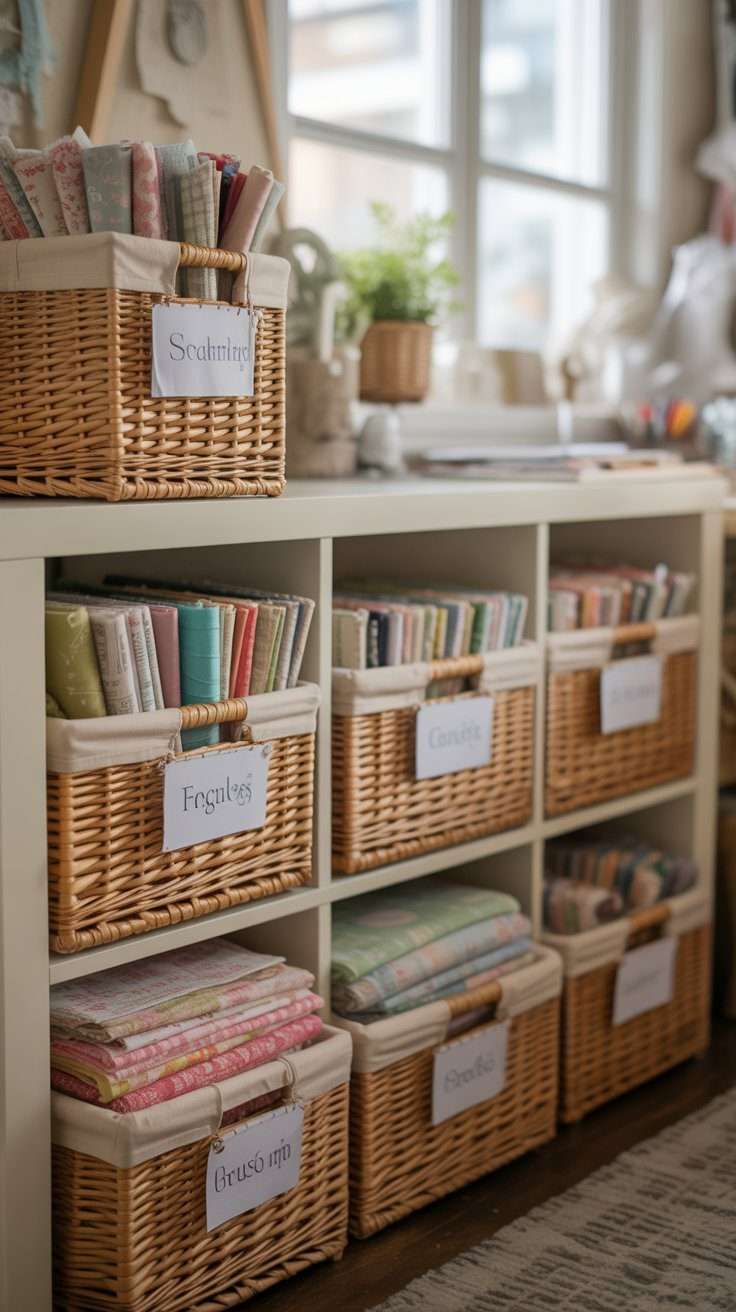
Too many labels create more noise.
Why this works:
Clear, minimal labels reduce hesitation and second-guessing.
What I label first:
- scrap categories
- fabric types
- drawers I open often
Everything else can wait.
10. Build a System That Works on Hard Days
This is the most important rule.
Why this matters:
If an organization system only works when I feel motivated, it will fail.
I always ask myself:
- Can I reset this space in five minutes?
- Can I put things away without thinking?
If the answer is yes, the system works for me.
Craft Room Layout Matters Too
Organization works best when it’s paired with a layout that supports how you create.
If you want ideas for craft room layouts, small spaces, and sewing setups, see my full guide to Craft Room Ideas, where I share solutions for different room sizes and creative workflows.
Final Thoughts
Craft room organization isn’t about being neat.
It’s about creating an environment where your brain can breathe.
For me, organization is how creativity stays accessible. If you need structure to create — whether you have ADHD or simply feel overwhelmed by clutter — that doesn’t make you less creative. It means you understand how your mind works.
And that’s powerful.
Craft Room Layout Still Matters
If you’re planning your craft room as a whole — layout, storage, sewing setup, and workflow — I share all of that in my complete guide to, 12 Genius Craft Room Ideas where I break down different room sizes, creative needs, and practical setups.